
Once the crops are harvested and processed, the work is far from over. Efficient post-harvest handling is crucial to preserving crop quality, optimizing storage and preparing products for market delivery or further processing.
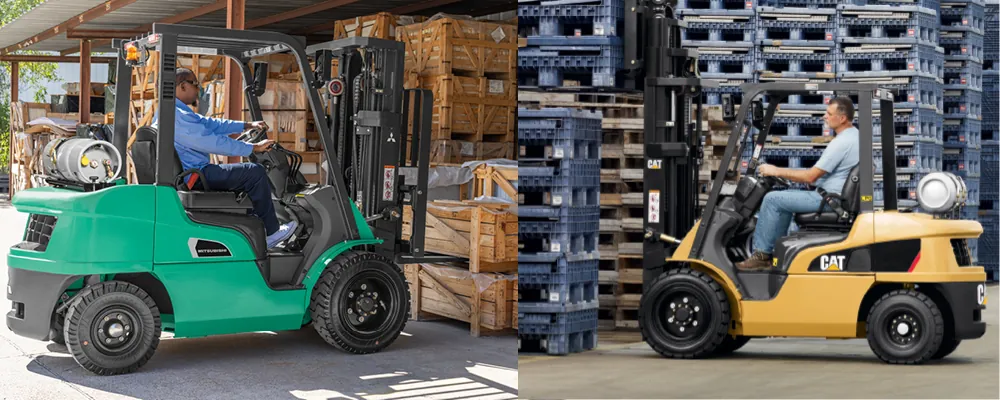
Post-harvest forklifts play a key role in these critical tasks, offering the power and flexibility to safely move heavy loads and navigate storage areas. Let’s explore how forklifts help facilitate post-harvest tasks and how to choose the right forklift for each job.
Essential Post-Harvest Forklift Tasks
After harvest, a variety of critical tasks must be completed efficiently to ensure crops are properly stored, preserved and prepared for their next destination. Forklifts are the backbone of these operations, enabling quick and safe handling of heavy loads across diverse post-harvest activities.
Transporting and Moving Stored Crops
After harvest, forklifts help move filled totes, super sacks and bins from processing areas into grain storage facilities or silos. They also support transporting crops between storage and drying facilities, ensuring proper airflow and moisture control to maintain quality.
For these tasks, forklifts need a high lift capacity to safely handle heavy totes and bins, along with the ability to operate on uneven terrain if moving crops near field edges. Counterbalance or all-terrain forklifts are commonly used depending on the environment.
Loading and Unloading for Distribution
Forklifts expedite the loading of harvested crops onto wagons, trucks or trailers for transport to markets or processing plants. They also handle unloading incoming supplies and packaging materials necessary for post-harvest operations.
Forklifts used for loading and unloading should offer stability and reach. They are often equipped with pneumatic tires for rough surfaces and telescopic forks for accessing tight or high loads in trucks or wagons.
Organizing and Stacking in Storage Areas
Maximizing storage space is essential to protect crops and streamline operations. Forklifts are critical post-harvest storage equipment, stacking pallets, sacks and totes efficiently in tight storage areas and rearranging inventory for easy access and management.
Efficient stacking requires narrow-aisle or reach trucks that can maneuver in tight aisles. These are often electric for indoor use and equipped with attachments for precise load placement.
Handling Post-Harvest Equipment and Materials
In addition to crop handling, forklifts move heavy equipment like drying racks, conveyors and packing stations. They also transport bulk materials such as bags of seed, fertilizer and other supplies needed to prepare for the next season.
These tasks typically demand heavy-duty forklifts with high load capacity and, in some cases, rough-terrain capabilities or specialized attachments to move bulky or irregular equipment safely.
Site Cleanup and Maintenance Support
Post-harvest cleanup involves clearing debris, empty containers and pallets to maintain a safe, organized environment. Forklifts assist by moving materials and equipment as part of end-of-season maintenance.
Compact forklifts or skid steers with interchangeable attachments are ideal for cleanup work, offering versatility and maneuverability in tight spaces, often with electric power for quieter indoor operation.
Key Considerations for Post-Harvest Forklifts
Post-harvest work can vary widely, from moving heavy bins to stacking pallets in tight storage areas. Choosing the right forklift for each task ensures efficiency, safety and long-term equipment performance. Key considerations include:
- Lift capacity and stability: Match the forklift’s lifting power to the weight of totes, bins or super sacks to prevent strain on equipment and operators.
- Terrain and environment: Pneumatic-tire or rough-terrain forklifts are best for outdoor or uneven surfaces, while electric models excel in indoor storage areas with narrow aisles.
- Attachments and versatility: Forks, clamps and specialized attachments expand a forklift’s capabilities, making it easier to handle different load types and equipment.
- Maneuverability: Compact or narrow-aisle forklifts maximize storage space and make stacking in tight facilities more efficient.
By aligning forklift selection with post-harvest needs, farms and agricultural operations can streamline workflows, protect crop quality and maintain safe, organized facilities.
G&W Equipment: Your One-Stop Shop for Post-Harvest Forklift
When it comes to reliable forklift solutions tailored for agricultural needs, G&W Equipment stands out. With a wide selection of high-quality forklifts for agricultural operations and tough post-harvest tasks, G&W helps you keep your operations running efficiently and safely.
Explore G&W’s selection of forklifts today, and experience the difference trusted equipment can make in your post-harvest season. Contact us today to discuss your needs.